So, you’re curious about the art of flipping a quadcopter? Well, look no further! In this article, we’ll explore the exciting world of quadcopter flips and provide you with all the tips and tricks you need to master this gravity-defying maneuver. Whether you’re a seasoned drone pilot or just starting out, get ready to unlock the secrets of flipping your quadcopter like a pro and take your aerial skills to new heights!
Table of Contents
Understanding the Basics of Quadcopters
What are quadcopters?
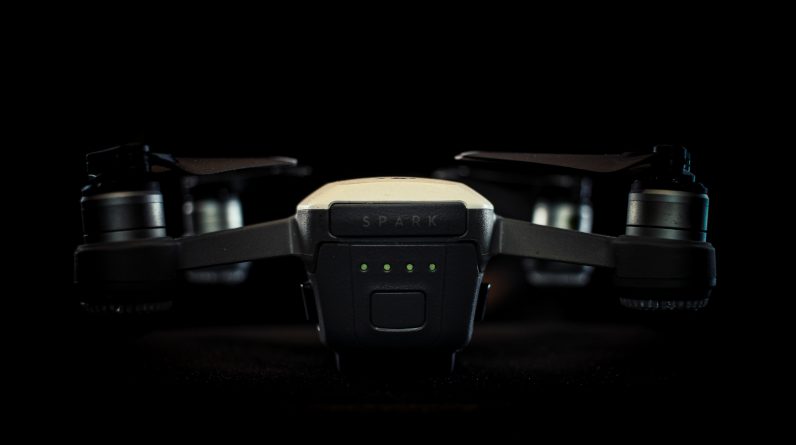
Quadcopters, also known as quadrotors, are unmanned aerial vehicles (UAVs) that are powered by four rotors. They are a type of drone that is capable of vertical takeoff and landing and are widely used for aerial photography, videography, recreational flying, and even in professional industries such as filmmaking and agriculture.
How does a quadcopter work?
Quadcopters work on the principle of flight dynamics and aerodynamics. The four rotors on a quadcopter generate lift and control its altitude, while adjustments in the speed of individual rotors allow it to maneuver in different directions. By varying the speed of the rotors, the quadcopter can tilt, roll, and yaw, which enables it to change its direction and orientation in the air.
Understanding the mechanics of a quadcopter
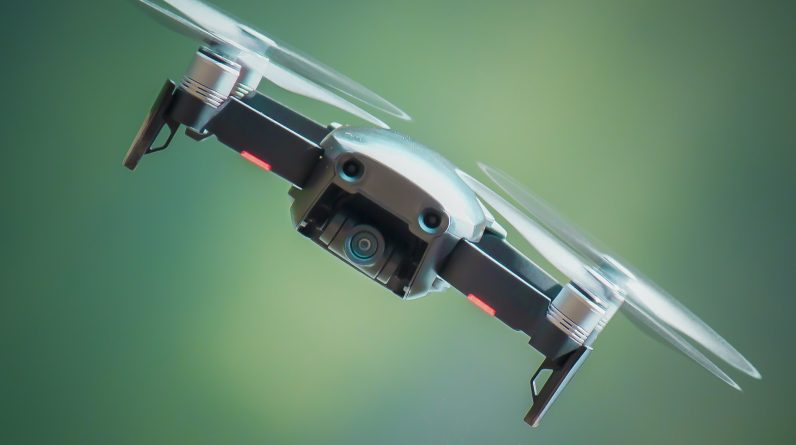
To understand the mechanics of a quadcopter, it is essential to know its main components. The four arms of a quadcopter house the motors and propellers, which provide the necessary thrust and lift. The flight controller, located in the central body, receives inputs from the pilot and adjusts the speed of the motors accordingly. The gyroscope and accelerometer sensors help the flight controller maintain stability and control. Additionally, quadcopters often include a GPS module, cameras, and other features depending on their purpose.
Preparations Before Flipping a Quadcopter
Ensuring the safety measures
Before attempting any flips or maneuvers, it is crucial to prioritize safety. Ensure that you are in a proper flying area designated for quadcopters, away from people, buildings, and other obstacles. Wear safety glasses and protective gear to prevent any injuries. Additionally, check local regulations and laws regarding the use of quadcopters in your area.
Properly checking the quadcopter
It is essential to Inspect your quadcopter thoroughly before attempting any flips. Check the overall condition of the quadcopter, including the motors, propellers, and battery. Make sure all components are securely fastened and in good working condition. Verify that the flight controller and sensors are well calibrated. This step ensures that your quadcopter is ready for the maneuvers you are about to perform.
Understanding the basic controls
Familiarize yourself with the basic controls of a quadcopter before attempting any flips. The primary controls include throttle, yaw, pitch, and roll. Throttle adjusts the altitude or vertical lift of the quadcopter. Yaw controls the rotation or orientation of the quadcopter around its vertical axis. Pitch and roll control the forward/backward and sideways movement respectively. Understanding how these controls affect the quadcopter’s movement will help you execute flips more effectively.

Fundamentals of Quadcopter Controls
Understanding the throttle
The throttle control is used to adjust the quadcopter’s altitude. By increasing the throttle, you increase the lift generated by the rotors, causing the quadcopter to gain altitude. Decreasing the throttle will have the opposite effect. Before attempting flips, it is essential to have a good grasp of throttle control to ensure a smooth and controlled flight experience.
How to use yaw, pitch, and roll
Yaw control allows the quadcopter to rotate around its vertical axis. It is controlled by adjusting the speed of the propellers on opposing sides. By applying different yaw inputs, you can change the direction the quadcopter is facing. Pitch and roll controls, on the other hand, are responsible for the quadcopter’s forward/backward and sideways movements. By tilting the quadcopter forward or to the sides, you can make it move in the desired direction.
The importance of gyroscope in a quadcopter
The gyroscope is a crucial component in a quadcopter as it helps maintain stability and orientation. It detects any changes in the quadcopter’s orientation and provides input to the flight controller, enabling it to make adjustments and keep the quadcopter level. Without a functioning gyroscope, the quadcopter may become unstable and difficult to control, making flips and other maneuvers challenging to execute.
Best Practices When Maneuvering a Quadcopter
Using the hover mode efficiently
Hover mode is a useful feature that allows the quadcopter to maintain a stable position in the air without any manual control inputs. Utilizing this mode effectively can provide a steady platform for performing flips and other advanced maneuvers. Practice using hover mode to enhance your control over the quadcopter’s stability and responsiveness during flips.
Maintaining a line of sight
When flipping a quadcopter, it is crucial to maintain a clear line of sight. Losing sight of the quadcopter can result in a loss of spatial awareness, making it challenging to control and maneuver effectively. By keeping the quadcopter within your field of vision, you have better control and can react quickly to any unforeseen obstacles or situations.
Avoiding harsh weather conditions
Harsh weather conditions, such as strong winds or rain, can significantly impact the stability and control of a quadcopter. It is important to avoid attempting flips or other maneuvers in adverse weather conditions that may compromise the safety and performance of the quadcopter. Always check the weather forecast and ensure ideal flying conditions before attempting any flips.

Techniques to Successfully Flip a Quadcopter
How to use the throttle properly
Using the throttle properly is crucial for executing flips. To perform a flip, throttle management is essential. When initiating the flip, increase the throttle to gain height and momentum. As the quadcopter reaches the desired altitude, reduce the throttle and apply the necessary pitch or roll control to execute the flip. Proper throttle control ensures a smooth and controlled flip.
How to roll a quadcopter
Rolling is one of the basic flips that can be performed with a quadcopter. To execute a roll, make sure the quadcopter is at a good altitude and has enough forward speed. Begin by applying a strong roll input in the desired direction. Maintain this roll input until the quadcopter completes a full rotation, and then release the roll input to level it out. Practice rolls in a controlled environment before attempting them in more challenging conditions.
The role of yaw control in successfully flipping a quadcopter
Yaw control plays a crucial role in successfully executing flips. By applying a yaw input, you can control the rotation of the quadcopter during the flip. To perform a basic flip, initiate the flip by applying a combination of roll and yaw inputs. The yaw input allows the quadcopter to spin while the roll input determines the direction of rotation. Mastering the coordination between these two controls is key to performing flips smoothly.
Performing a Basic Flip
Prerequisites of a basic flip
Before attempting a basic flip, ensure that you have mastered the fundamental controls and have a good understanding of throttle management, roll control, and yaw control. Also, make sure you are in a suitable flying area with ample space and without any obstacles. It is essential to have a well-maintained quadcopter with fully charged batteries.
Step-by-step guide to a basic flip
- Start by gaining altitude with an increase in throttle.
- Once at a comfortable altitude, reduce the throttle to maintain the desired height.
- Apply a strong roll input in the desired direction to initiate the flip.
- Simultaneously, apply a yaw input to control the rotation of the quadcopter.
- Maintain the roll and yaw inputs until the quadcopter completes a full flip.
- Release the roll input and level out the quadcopter by applying opposite roll input.
- Adjust the throttle as necessary to maintain control and stability.
- Practice basic flips in a controlled environment, gradually increasing complexity and speed.
Mistakes to avoid when performing a basic flip
When attempting a basic flip, it is essential to avoid common mistakes that can lead to accidents or poor execution. Some common mistakes to avoid include:
- Insufficient altitude before initiating the flip, which can result in a crash or loss of control.
- Overcompensating or applying excessive control inputs, leading to unstable flight and erratic flips.
- Neglecting to properly trim and calibrate the quadcopter, resulting in poor stability and control.
- Taking unnecessary risks or attempting flips in unsuitable flying areas, increasing the chances of accidents.

Advanced Quadcopter Flips
How to perform a diagonal flip
Performing a diagonal flip adds additional complexity and flair to your flips. To execute a diagonal flip, use a combination of roll and pitch controls. Begin by gaining altitude and then applying a diagonal roll input, followed by a pitch input in the opposite direction. Maintain these inputs until the quadcopter completes the desired diagonal flip. As with any advanced maneuver, practice in a controlled environment and gradually increase the difficulty.
Skill required for a rolling flip
A rolling flip is a more advanced maneuver that requires a higher level of skill and coordination. To perform a rolling flip, initiate a roll input while gradually increasing the throttle to gain height. As the quadcopter reaches the desired altitude, apply a strong pitch input in the same direction as the roll input. Continue applying the roll input until the quadcopter completes a full rotation. Practice rolling flips in a safe and open area to avoid accidents or damage to the quadcopter.
Mastering the 3D flip
The 3D flip is a complex and visually impressive maneuver that requires precise control and timing. To perform a 3D flip, initiate a roll or pitch input at a high throttle setting. Continue with the roll or pitch input while quickly reducing the throttle to maintain altitude. As the quadcopter completes a full rotation, increase the throttle to regain control and maintain stability. The 3D flip requires a high level of skill and practice to execute smoothly, so ensure that you are adequately prepared before attempting this advanced maneuver.
Post Flipping Safety Measures
Proper landing techniques after flipping
After performing flips, it is crucial to land the quadcopter safely to prevent any damage. Begin by reducing the throttle gradually to descend slowly. Adjust the pitch and roll controls to maintain a level descent. Ensure the quadcopter is lined up with the landing area and position it for a gentle touchdown. Continue reducing the throttle until the quadcopter touches down smoothly. Practice landing techniques to improve your control and precision when returning to the ground.
Inspecting quadcopter for damage after a flip
After performing flips, inspect your quadcopter for any signs of damage. Check the propellers for any cracks or deformities, and ensure they are securely fastened. Examine the motors for any signs of wear or damage. Verify that all connections and components are intact and functioning correctly. It is essential to address any issues before attempting additional flips or flights to prevent further damage or accidents.
Rating the difficulty of the performed flip
After executing a flip, it can be helpful to assess and rate the difficulty level of the maneuver. Consider factors such as the level of control required, coordination between different control inputs, and overall execution. By rating the difficulty, you can track your progress and set goals for improvement. Additionally, it allows you to challenge yourself with more advanced flips as you gain experience and skill.
Learning Through Practice
Continual practice regime
To become proficient in flipping quadcopters, it is essential to establish a continual practice regime. Regularly dedicate time to flying and practicing flips to improve your skills and confidence. Consistency is key to mastering the necessary control inputs, timing, and coordination. By incorporating regular practice sessions, you will gradually become more comfortable and capable of performing a variety of flips.
Improving skills over time
As with any skill, improving your quadcopter flipping abilities takes time and dedication. Start with basic flips and gradually progress to more complex maneuvers as you become comfortable. Experiment with different control inputs, speeds, and angles to expand your repertoire. Analyze your flights, identify areas for improvement, and focus on refining specific aspects. Emphasize precision and smooth execution to attain a high level of skill and control.
Using simulations for practice
Simulators are an excellent tool for practicing and refining quadcopter flipping skills. They provide a safe and controlled environment where you can learn and experiment without the risk of damaging your quadcopter. Simulators offer realistic physics and flight dynamics, allowing you to simulate various scenarios and practice flips in different conditions. Take advantage of simulators to reinforce and enhance your quadcopter flipping abilities.
Maintaining Your Quadcopter Post Flips
Regular maintenance checks
Regular maintenance checks are essential for ensuring the optimal performance and longevity of your quadcopter. Inspect the motors, propellers, and other components for any wear or damage. Clean the quadcopter to remove any debris or dirt that may affect its performance. Check the battery and recharge it if necessary. Regularly update firmware and software to utilize the latest features and improvements. By regularly maintaining your quadcopter, you can prevent potential issues and maximize its lifespan.
Repairing potential damage
After performing flips, it is possible that your quadcopter may suffer minor damage. Promptly address any identified issues to prevent further damage and maintain the quadcopter’s functionality. Replace any damaged propellers or components, ensuring that they are installed correctly. If more extensive repairs are required, consult the manufacturer’s instructions or seek professional assistance. Taking prompt action to repair any damage will allow you to continue flipping safely and efficiently.
Upgrading parts for optimum performance
Quadcopters are highly customizable, allowing you to upgrade components to enhance performance and capabilities. Consider upgrading the motors, propellers, or flight controller to achieve better stability, responsiveness, and maneuverability. Research compatible upgrades and ensure that they are installed correctly and calibrated accordingly. Upgrading specific parts can significantly improve your quadcopter’s performance when executing flips and other maneuvers.
In conclusion, mastering quadcopter flips requires a combination of understanding the basics of quadcopter operation, familiarizing yourself with the controls, and practicing different maneuvers. By following safety measures, familiarizing yourself with the necessary control inputs, gradually progressing from basic to advanced flips, and maintaining your quadcopter properly, you can become proficient in executing impressive flips with confidence and skill. Remember to prioritize safety, continue learning through practice, and have fun exploring the thrilling world of quadcopter flips.