Imagine soaring through the skies with a futuristic contraption, capturing breathtaking aerial footage and exploring unreachable terrains. Drones have become the new must-have gadget for both hobbyists and professionals alike. But with so many options available, which type reigns supreme? Join us on a thrilling journey as we uncover the answer to the age-old question: what is the most popular type of drone?
Table of Contents
Definition of a Drone
Drones, also known as unmanned aerial vehicles (UAVs), are aircraft that are operated without a human pilot on board. These aerial vehicles are typically controlled remotely by a pilot on the ground or can be programmed to fly autonomously using onboard sensors and GPS technology. Drones come in various sizes and shapes, ranging from small toy-like devices to large industrial machines capable of carrying heavy payloads. They have gained immense popularity in recent years due to their versatility and wide range of applications.
Basic Definition of a Drone
A drone can be defined as an unmanned aircraft that is capable of flying autonomously or being remotely controlled by a pilot. It is equipped with various sensors, cameras, and other components that allow it to gather data, capture images or videos, and perform specific tasks. Drones can be used for recreational purposes, aerial photography and videography, surveillance and monitoring, delivery services, agriculture, and even in military operations.
Working Principle of Drones
The working principle of drones involves a combination of aerodynamics, electronics, and software. Drones are equipped with multiple rotors or propellers that generate the necessary lift and thrust to keep the aircraft airborne. By adjusting the speed and rotation of these rotors, drones can move in different directions and maintain stability in flight. The flight controller, which is the brain of the drone, processes the data from various sensors and calculates the necessary adjustments to keep the aircraft stable and on course.
Different Components of a Drone
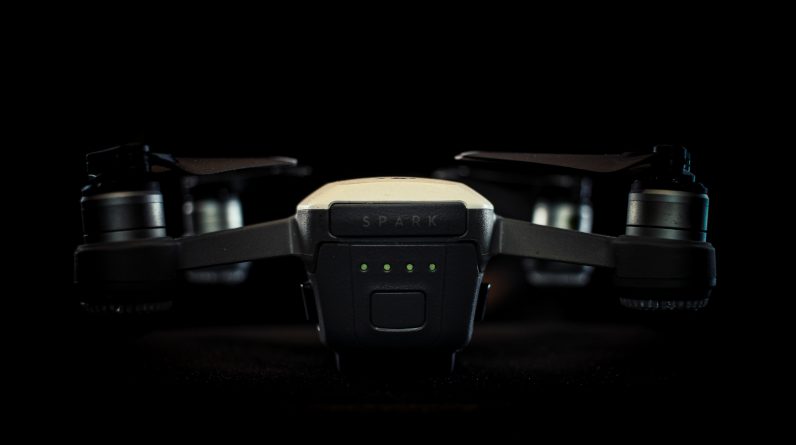
Drones consist of various components that work together to ensure their proper functioning. These include the frame or body, motors, propellers, flight controller, battery, GPS module, sensors, camera or gimbal, and a transmitter or receiver for remote control. Each component plays a crucial role in the overall performance and capabilities of the drone. The frame provides the structure and support, while the motors and propellers generate the necessary lift and thrust. The flight controller processes the data from sensors and controls the movement of the drone. The battery supplies power, the GPS module provides positioning information, and the camera or gimbal captures images or videos. The transmitter and receiver allow for remote control and communication.
The Popularity of Drones
Drones have experienced a significant surge in popularity over the past decade. What was once considered a niche hobby or specialized military technology has now become a mainstream phenomenon. The evolution of drone technology, coupled with their increasing affordability and accessibility, has contributed to their widespread adoption and use.
Evolution of Drones as Popular Gadgets
Drones initially gained popularity as recreational gadgets. Hobbyists and enthusiasts were drawn to the idea of controlling a flying machine and capturing aerial footage or performing stunts. As technology advanced, drones became more affordable and offered improved flight capabilities, longer battery life, and better camera quality. This evolution made drones more appealing to a wider audience, including photographers, videographers, adventure enthusiasts, and even travelers seeking unique perspectives.
Current Market Trend for Drones
The market for drones has been growing at an exponential rate. According to a report by Grand View Research, Inc., the global drone market size was valued at USD 22.5 billion in 2020 and is projected to expand at a compound annual growth rate (CAGR) of 57.5% from 2021 to 2028. This growth can be attributed to the increasing adoption of drones for various commercial and industrial applications, such as aerial photography, surveying and mapping, agriculture, construction, and delivery services.
Factors Contributing to the Popularity of Drones
Several factors have contributed to the popularity of drones. Firstly, their versatility and wide range of applications make them appealing to a diverse set of users. Whether it’s capturing stunning aerial shots, assisting in search and rescue operations, or delivering packages, drones have proven to be useful tools across various industries. Secondly, the increasing affordability and accessibility of drones have made them more attainable for the average consumer. With a wide range of models available at different price points, drones are now within reach for many people. Lastly, advancements in technology, such as improved battery life, better cameras, and more advanced flight controls, have made drones easier to fly and operate, further fueling their popularity.

Types of Drones
Drones come in a variety of types and configurations, each designed to serve specific purposes and cater to different user needs. Understanding the different types of drones can help users choose the right drone for their intended applications.
Brief Overview of Different Types of Drones
- Toy Drones: Toy drones are small, lightweight drones designed for recreational use. They are usually affordable and easy to fly, making them ideal for beginners or children.
- Camera Drones: Camera drones are equipped with high-quality cameras or gimbals to capture stunning aerial photographs or videos. They are popular among photographers, videographers, and content creators.
- FPV Drones: First-person view (FPV) drones are designed for racing or aerial acrobatics. They provide a real-time video feed to the pilot, enabling an immersive flying experience.
- Industrial Drones: Industrial drones are larger and more robust, capable of carrying heavier payloads and performing tasks such as inspections, surveying, or spraying in industries like construction, agriculture, and oil and gas.
- Delivery Drones: Delivery drones are designed to transport goods from one location to another, offering an efficient and environmentally friendly alternative to traditional delivery methods.
- Military Drones: Military drones are used for surveillance, reconnaissance, and combat operations. They are equipped with advanced technologies and often have long endurance capabilities.
Comparison of Features between Different Types of Drones
Each type of drone has its own unique set of features and capabilities. Toy drones, for example, are often smaller in size, have basic flight controls, and shorter battery life compared to camera drones or industrial drones. Camera drones, on the other hand, prioritize camera quality and stability features, while industrial drones focus on payload capacity and endurance. Understanding these differences can help users determine which type of drone is best suited for their specific needs.
Specific Uses of Different Types of Drones
The wide range of drone types allows for diverse applications across various industries and fields. Toy drones offer recreational fun and can be used for learning basic flight maneuvers. Camera drones enable photographers and videographers to capture breathtaking aerial imagery or film smooth cinematic shots. Industrial drones assist in tasks such as aerial inspections, mapping, crop monitoring, and even disaster management. Delivery drones have the potential to revolutionize the logistics industry by offering fast and efficient delivery services. Military drones provide valuable surveillance and reconnaissance capabilities in military operations.
Understanding Quadcopters
Quadcopters are a popular type of drone known for their stability, maneuverability, and ease of control. Understanding the structure, working principles, and applications of quadcopters can shed light on their widespread popularity.
The Basic Structure of a Quadcopter
A quadcopter, as the name suggests, is an unmanned aircraft that is propelled by four rotors or propellers. These rotors are positioned vertically and spaced evenly around the central body of the drone. The four rotors rotate in opposite directions, with two rotating clockwise and the other two rotating counterclockwise. This configuration provides stability and control, allowing the quadcopter to hover, change directions, and perform acrobatic maneuvers.
How Quadcopters Work
Quadcopters rely on the principle of varying the speed and rotation of the four rotors to control their movement. By increasing the speed of the rotors on one side and decreasing the speed on the other side, the drone can lean and tilt in a specific direction. By manipulating the speeds of the rotors, the drone can move forward, backward, sideways, or rotate on its axis. This dynamic control system, combined with the flight controller’s inputs, allows for precise and agile flight.
Uses and Applications of Quadcopters
Quadcopters have found extensive use in various industries and fields due to their stability, maneuverability, and versatility. They are often employed for aerial photography and videography, providing a cost-effective and efficient way to capture stunning aerial shots. In the field of agriculture, quadcopters equipped with multispectral sensors are used for crop monitoring, plant health assessments, and irrigation management. They are also used in search and rescue missions, aerial inspections of infrastructure and buildings, and even in the film and entertainment industry for captivating aerial cinematography.

Why Quadcopters Are Popular
Quadcopters have become one of the most popular types of drones among enthusiasts and professionals alike. Several factors have contributed to their widespread popularity and adoption.
Factors Leading to Quadcopters Popularity
One of the key factors driving the popularity of quadcopters is their stability and maneuverability. The four-rotor configuration provides enhanced stability even in windy conditions, ensuring smooth flight and steady hovering. Additionally, quadcopters are highly maneuverable, allowing for precise control and the ability to perform intricate aerial maneuvers.
Versatility of Quadcopters
Quadcopters are known for their versatility and wide range of applications. Whether it’s capturing stunning aerial photographs, surveying vast areas of land, inspecting infrastructure, or even racing, quadcopters can be adapted to various tasks. Their ability to carry different types of cameras or payloads makes them suitable for diverse industries, from photography and videography to agriculture and industrial inspections.
Ease of Use and Access of Quadcopters
Quadcopters are designed to be user-friendly, making them accessible to a wide range of users. Many quadcopter models come equipped with advanced flight modes, obstacle avoidance sensors, and automated features, making them easier to fly and control. Additionally, advancements in controller technology and smartphone integration have further simplified the operation of quadcopters, allowing users to control and monitor flights with ease.
DJI Phantom Series
The DJI Phantom series of drones has gained significant popularity among consumers and professionals due to their advanced features, capabilities, and reliability.
History and Evolution of the DJI Phantom Series
The DJI Phantom series was first introduced by DJI Innovations in 2013 with the release of the DJI Phantom 1. This groundbreaking model offered stable flight performance, a built-in camera, and a user-friendly design, revolutionizing the drone industry. Since then, DJI has continued to innovate and improve the Phantom series, releasing several new models with upgraded features and enhanced flight capabilities.
Key Features of the DJI Phantom Series
The DJI Phantom series is known for its advanced features and cutting-edge technology. Key features of the DJI Phantom drones include high-quality camera systems with gimbal stabilization, intelligent flight modes such as waypoint navigation and follow me, obstacle avoidance sensors, extended flight time, and remote control functionality via smartphone or tablet. These features have made the DJI Phantom series a popular choice for professional photographers, videographers, and drone enthusiasts.
Popularity and Public Reception of the DJI Phantom Series
The DJI Phantom series has gained widespread popularity and positive public reception. With their superior camera quality, stable flight performance, and user-friendly interface, DJI Phantom drones have become the go-to choice for aerial photographers and videographers. The versatility and reliability of the Phantom series have also made them a favorite among hobbyists and professionals, capturing stunning aerial footage and promoting creative expression.

Comparison of DJI Phantom with Other Drones
When comparing the DJI Phantom series with other popular drone models, several factors come into play, including features, performance, and price.
Comparing Features between DJI Phantom and Other Popular Drones
The DJI Phantom series stands out among competitors due to its advanced features, such as high-quality cameras with gimbal stabilization, obstacle avoidance sensors, intelligent flight modes, and extended flight time. While other drones may offer similar features, DJI’s dedication to innovation and continuous improvement sets the Phantom series apart.
Price Comparison between DJI Phantom and Other Drones
The price of DJI Phantom drones can vary depending on the specific model and its features. Generally, DJI Phantom drones are positioned in the mid to high-end range of the market. While they may be more expensive compared to entry-level drones or toy drones, the price is justified by the advanced technology, superior camera systems, and overall performance offered by the DJI Phantom series. For professionals or avid enthusiasts looking for exceptional quality and capabilities, the investment in a DJI Phantom drone is often considered worthwhile.
Legal Considerations for Drone Use
Operating a drone comes with legal responsibilities and regulations that must be adhered to ensure safe and responsible use.
Understanding Drone Laws and Regulations
Different countries have established regulations and laws governing the use of drones. These laws may include restrictions on flight altitude, flight zones (such as airports, government buildings, or public events), and requirements for registration and licensing. It is essential to familiarize yourself with the specific regulations applicable to your location and comply with them to avoid legal consequences.
Importance of Drone Registration and Licensing
In many countries, drone registration is mandatory for individuals who own and operate drones above a certain weight. Registration helps authorities track drone usage and ensures accountability. Additionally, acquiring the necessary licenses or certifications, such as a remote pilot license, may be required for operating drones commercially or in certain restricted areas. Compliance with registration and licensing requirements is vital to operate drones legally and responsibly.
Implications of Ignoring Drone Laws
Failure to comply with drone laws and regulations can have serious consequences. Legal penalties may include fines, confiscation of the drone, or even criminal charges in severe cases. Moreover, disregarding laws not only poses risks to public safety but also undermines the reputation of the drone community as a whole. It is crucial to act responsibly and follow the rules and regulations applicable to drone use.
Safety Measures When Using Drones
Ensuring safety when operating a drone is of utmost importance to prevent accidents, injuries, or damage to property.
Safety Guidelines for Drone Use
When using drones, it is essential to follow safety guidelines to minimize risks. Some general safety guidelines include:
- Fly in open areas away from people, buildings, and obstacles.
- Maintain visual line-of-sight with the drone at all times.
- Avoid flying near airports or restricted airspace.
- Be aware of weather conditions and avoid flying in strong winds, rain, or fog.
- Respect privacy and avoid capturing images or videos without consent.
- Properly calibrate and test the drone before each flight to ensure optimal performance.
Importance of Drone Maintenance
Regular maintenance of drones is crucial to ensure their safe and reliable operation. This includes inspecting the drone for any physical damage, checking the battery and connections, and updating the firmware and software. Following the manufacturer’s maintenance guidelines, including routine cleaning, propeller replacement, and motor checks, can help identify and address any potential issues that may affect the performance of the drone.
Potential Risks Associated with Drone Use
Drone use, if not done safely and responsibly, can pose various risks. The primary concerns include aerial collisions with other aircraft, damage to property or people due to crashes, invasion of privacy, and interference with law enforcement or emergency operations. Understanding and mitigating these risks through responsible drone operation, adherence to regulations, and ongoing safety education is crucial in ensuring the safe integration of drones into our society.
Future Trends in Drone Technology
With continued advancements in technology, drone technology is expected to evolve further, leading to exciting future trends and developments.
Emerging Trends and Developments in Drone Technology
Several emerging trends and developments are shaping the future of drone technology. These include advancements in artificial intelligence and computer vision, allowing for autonomous flight and obstacle avoidance. Improved battery technology is leading to longer flight times and increased payload capacity. Furthermore, the miniaturization of sensors and components is enabling the development of smaller, more portable drones with advanced capabilities.
Impact of Technological Advancements on Drone Popularity
Technological advancements play a significant role in the popularity of drones. As drones become more capable, user-friendly, and affordable, their adoption and use will continue to increase. Improved camera systems, longer flight times, and enhanced stability will attract professionals in fields such as photography, videography, and surveying. Furthermore, the integration of drones with emerging technologies like virtual reality (VR) and augmented reality (AR) is expected to open up new possibilities for entertainment, education, and immersive experiences.
Predictions for Future Popular Types of Drones
With the rapid pace of innovation, it is challenging to predict with certainty the future popular types of drones. However, certain trends suggest the emergence of specific types of drones. For instance, the demand for delivery drones is expected to rise as companies explore efficient and eco-friendly last-mile delivery options. With advancements in sensor technology and AI-driven solutions, autonomous drones capable of performing complex tasks may become more prevalent. Additionally, specialized drones for specific industries, such as agriculture, construction, or infrastructure inspections, are likely to gain traction as the demand for tailored solutions grows.
In conclusion, drones have become an integral part of our modern society, offering a myriad of applications and possibilities. From recreational use and aerial photography to industrial tasks and delivery services, drones continue to evolve and reshape various industries. Understanding the different types of drones, their working principles, and legal considerations is crucial for safe and responsible drone use. As technology advances, drones are set to become even more versatile and capable, shaping the future of aerial robotics and opening up exciting opportunities for innovation and exploration.