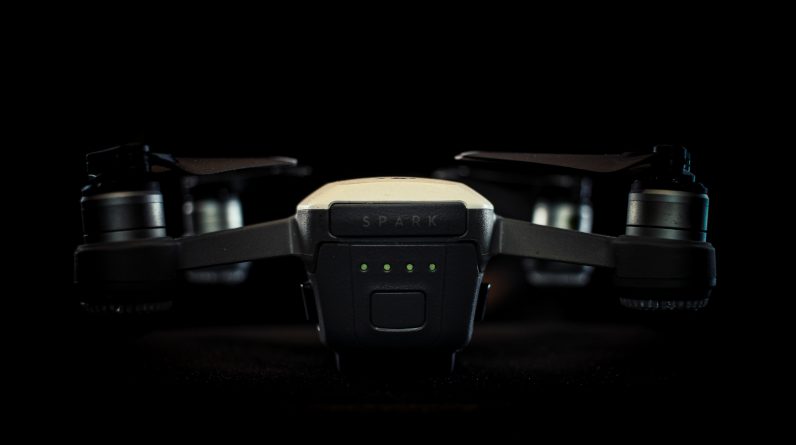
So you’re curious about drones and quadcopters, huh? Well, let’s clear things up! In this article, we’ll explore the fascinating realm of unmanned aircraft systems, commonly known as drones, and their specific subtype called quadcopters. Get ready to uncover the key differences and similarities between these airborne marvels, and discover whether every drone out there is indeed a quadcopter. By the end, you’ll be equipped with a whole new understanding of these technological wonders that have taken the world by storm. So, fasten your seatbelt, because we’re about to take off on an exhilarating journey into the world of drones and quadcopters! No, not all drones are quadcopters. While quadcopters are a type of drone, there are other types of drones that have different designs and functionalities. It is important to understand the distinctions between the various types of drones to fully grasp the capabilities and applications of this evolving technology.

Table of Contents
Understanding the Drone Technology
Definition of Drones
Drones, also known as unmanned aerial vehicles (UAVs), are aircraft that can be operated remotely without a pilot on board. These vehicles can be controlled through a ground-based controller or autonomously through pre-programmed flight paths. Drones are equipped with various sensors and technologies that allow them to perform a wide range of tasks and operations.
Different Types of Drones
There are several different types of drones, each with its own design and functionality. The most common types include fixed-wing drones, single rotor drones, multi-rotor drones, and hybrid VTOL (Vertical Takeoff and Landing) drones. Each type has its own advantages and disadvantages, making them suitable for different applications and industries.
The Use and Applications of Drones
Drones have revolutionized various industries and have found applications in areas such as aerial photography and videography, surveying and mapping, agriculture, search and rescue operations, wildlife conservation, and even package delivery. These unmanned vehicles provide an efficient and cost-effective solution for tasks that would otherwise be time-consuming, expensive, or even dangerous.
Decoding Quadcopters: A Look at its Technology
Description of Quadcopters
Quadcopters are a specific type of drone that utilize a quadrotor design, meaning they have four rotors. The four rotors are mounted at equal distances from the center of the drone and are responsible for generating the necessary lift and propulsion to keep the vehicle airborne. The quadcopter design offers stability, maneuverability, and versatility, making it one of the most popular choices for consumer and professional drone enthusiasts.
The Design and Functioning of Quadcopters
Quadcopters are designed with a symmetrical X or H frame, where each arm holds a motor and a rotor. These rotors spin at different speeds and in opposite directions, enabling the quadcopter to move in a controlled manner. By varying the speed and direction of the rotation of each rotor, the drone can pitch (move forward or backward), roll (tilt sideways), yaw (rotate left or right), and ascend or descend.
Popular Uses of Quadcopters in Today’s World
Quadcopters have become incredibly popular due to their versatility and ease of use. They are widely used for aerial photography and videography, providing stunning aerial views and perspectives that were previously only possible with expensive aerial equipment. Quadcopters are also used for recreational purposes, racing, search and rescue missions, inspections of infrastructure and buildings, and much more.
Are All Drones Quadcopters? Debunking the Myth
Differences between Drones and Quadcopters
While quadcopters are a type of drone, not all drones are quadcopters. Drones encompass a broader category of unmanned aerial vehicles that include various designs and configurations. Quadcopters specifically refer to drones that have four rotors arranged in a symmetrical pattern, making them one of many possible designs available.
Are Quadcopters a Subset of Drones?
Yes, quadcopters can be considered as a subset of drones. The term “quadcopter” is often used interchangeably with the term “drone,” which can lead to confusion. However, it is important to recognize that quadcopters are just one type of drone among many others, such as fixed-wing drones, single rotor drones, and hybrid VTOL drones.
Exploring the Misconception of Drones as Quadcopters
The misconception that all drones are quadcopters may stem from the fact that quadcopters have gained significant popularity in recent years. The widespread use and availability of quadcopters, along with their ease of operation and affordability, have made them the go-to option for many drone enthusiasts. However, it is crucial to acknowledge the diversity and versatility of drone technology beyond the quadcopter design.
Different Types of Drones
Single Rotor Drones
Single rotor drones, also known as helicopter-style drones, feature a large rotor on top for lift and a smaller tail rotor for stability and control. These drones offer more efficiency and longer flight times compared to quadcopters. They are commonly used in professional applications such as aerial filming, crop spraying, and industrial inspections.
Fixed Wing Drones
Fixed wing drones, as the name suggests, have a fixed wing structure similar to traditional airplanes. They generate lift through the forward motion caused by their propellers. Fixed wing drones have excellent endurance and are often used for long-distance mapping, surveying large areas, and capturing aerial imagery with high resolution.
Multi Rotor Drones
Multi-rotor drones encompass any drone configuration that includes more than four rotors. They can range from hexacopters (six rotors) to octocopters (eight rotors) or even more. Multi-rotor drones offer increased stability, payload capacity, and redundancy. They are commonly used in professional applications that require heavy lifting capabilities, aerial cinematography, and industrial inspections.
Hybrid VTOL Drones
Hybrid VTOL drones combine the advantages of both fixed-wing drones and quadcopters. These drones have the ability to take off and land vertically like quadcopters, but once in the air, they can transition into fixed-wing flight for longer endurance and greater range. Hybrid VTOL drones are ideal for applications such as aerial mapping, surveillance, and cargo transportation.

The Intricate Design of Quadcopters
Components and Parts of Quadcopters
Quadcopters consist of several key components that work together to ensure their proper functioning. These components include the frame, motors, electronic speed controllers (ESCs), flight controller, battery, propellers, and various sensors such as gyroscopes and accelerometers. Each component plays a crucial role in maintaining stability, controlling flight, and ensuring the safety of the quadcopter.
How Does a Quadcopter Fly?
Quadcopters fly by manipulating the speeds and directions of their rotors. By increasing the speed of the rotors on one side and decreasing it on the other, the drone can tilt in the desired direction. This tilt, along with the different speeds of the rotors, creates a net force that propels the quadcopter in a specific direction. By controlling the thrust generated by each rotor, the quadcopter can move forward, backward, sideways, rotate, or hover in place.
The Role of Rotors in Quadcopters
The rotors are the most essential part of a quadcopter’s design, as they are responsible for generating lift, stability, and control. The rotors create an upward force, commonly known as lift, by spinning at high speeds and pushing air downwards. By adjusting the speed of each rotor independently, the quadcopter can maintain its stability and maneuver through the air. The number of rotors and their arrangement significantly impacts the quadcopter’s capabilities and flight characteristics.
The Laws and Regulations Surrounding Drones and Quadcopters
Global Laws on Drone Flying
The use of drones is regulated by various laws and regulations around the world to ensure safety, security, and privacy. These laws differ from country to country and often cover aspects such as flight restrictions, operating altitude limits, registration requirements, and licensing for commercial drone operators. It is essential for drone enthusiasts and operators to familiarize themselves with the specific regulations in their respective regions.
The Legal Distinction between Drones and Quadcopters
From a legal standpoint, there is no distinction between drones and quadcopters. The term “drone” is used to encompass all types of unmanned aerial vehicles, including quadcopters, fixed-wing drones, and others. The laws and regulations that apply to drones generally apply to all types of unmanned aerial vehicles, regardless of their specific design or configuration.
Penalties and Consequences of Illegal Drone Use
Illegal drone use can have severe consequences, including fines, confiscation of equipment, and potential criminal charges. Violating drone regulations can also lead to accidents, threats to public safety, invasion of privacy, and damage to property. It is crucial for drone operators to be aware of and comply with the rules and regulations governing their drone’s use to ensure responsible and legal operation.

Advanced and Commercial Use of Drones and Quadcopters
Drones in Military and Defense Services
Drones have become an integral part of military and defense services worldwide. They are used for reconnaissance, surveillance, target acquisition, and even combat operations. Military drones, also known as unmanned combat aerial vehicles (UCAVs), have the capability to carry and deploy weapons, gather intelligence, and support tactical decision-making.
Drones in the Delivery Service Industry
Delivery drones have gained significant attention in recent years as companies explore the possibility of using drones to revolutionize package delivery. With their ability to transport goods quickly and efficiently, drones have the potential to improve delivery times, reduce transportation costs, and reach remote areas. However, regulatory challenges and technical limitations still need to be overcome before widespread drone delivery becomes a reality.
Quadcopters in Media and Surveillance
Quadcopters equipped with high-resolution cameras and stabilized gimbals have become indispensable tools in the media and surveillance industries. These drones enable filmmakers and photographers to capture stunning aerial footage and images for movies, commercials, documentaries, and other creative projects. In the surveillance field, quadcopters provide a cost-effective and flexible solution for monitoring crowds and gathering intelligence in various situations.
The Pros and Cons on the Use of Drones and Quadcopters
The Benefits of Drones and Quadcopters
Drones and quadcopters offer numerous benefits across various industries. They provide a safe alternative for inspecting infrastructure and buildings, reducing the need for manual labor and risky human inspections. Additionally, drones enable precise and efficient data collection, enhancing surveying and mapping capabilities. In agriculture, drones aid in crop monitoring, spraying, and yield optimization. They also play a crucial role in search and rescue missions, providing real-time aerial support in critical situations.
The Risks and Drawbacks of Drones and Quadcopters
Despite their advantages, drones and quadcopters also come with risks and drawbacks. Privacy concerns have been raised, as drones equipped with cameras have the potential to invade personal privacy if misused or operated illegally. Safety is another important consideration, as drones can pose a risk to aviation when flown near airports or in restricted airspace. Furthermore, drones can be susceptible to hacking and misuse, raising concerns over cybersecurity.
Public Opinion on the Ubiquitous Use of Drones
Public opinion on drones and quadcopters varies widely. While some people embrace the technology for its potential benefits, others express concerns about safety, privacy, and the potential for misuse. Balancing the advantages and risks of drones is an ongoing debate among policymakers, industry experts, and the general public. It is essential to address these concerns through effective regulations, technology advancements, and public awareness campaigns.
The Future of Drone and Quadcopter Technology
Predicted Advances in Drone Technology
The future of drone and quadcopter technology holds numerous exciting possibilities. Advancements in battery technology, materials, and miniaturization are expected to increase flight times, payload capacities, and overall drone performance. Artificial intelligence (AI) and machine learning are likely to play a significant role in optimizing drone autonomy, flight planning, and obstacle avoidance. Additionally, the integration of advanced sensors and imaging technologies will enhance data collection and analysis capabilities.
The Impact of AI and Machine Learning on Drones and Quadcopters
Artificial intelligence and machine learning are poised to revolutionize the capabilities of drones and quadcopters. These technologies can enable drones to perform complex tasks autonomously, such as navigating in challenging environments, identifying objects or hazards, and adapting to changing conditions. AI and machine learning algorithms also have the potential to improve flight efficiency, optimize data processing, and enhance decision-making capabilities.
Future Challenges for Drone and Quadcopter Technology
As drone and quadcopter technology continues to advance, several challenges must be addressed. Safety and security concerns remain at the forefront, with the need for robust systems to prevent accidents, protect against cyber threats, and ensure responsible use. Regulatory frameworks must keep pace with technological advancements to strike a balance between innovation and risk mitigation. Additionally, public acceptance and education are crucial for the widespread adoption of drones in various industries.
Conclusion: Drones Vs Quadcopters
Summarizing the Differences between Drones and Quadcopters
In summary, not all drones are quadcopters. Quadcopters are a specific type of drone that utilizes a quadrotor design with four rotors. Drones, on the other hand, encompass a broader category of unmanned aerial vehicles that include various designs such as fixed-wing drones, single rotor drones, multi-rotor drones, and hybrid VTOL drones.
Implications for Consumers
Understanding the differences between drones and quadcopters is essential for consumers looking to purchase or operate these devices. Consumers should carefully consider their specific needs, budget, and intended applications when deciding between various drone configurations. Quadcopters offer stability, maneuverability, and ease of use, making them ideal for aerial photography and recreational purposes. However, other drone types may better suit professional or specialized applications.
Final Thoughts on the Evolving Drone and Quadcopter Technology
The evolution of drone and quadcopter technology continues to reshape industries, push boundaries, and unlock new possibilities. As drone technology advances, it is essential to strike a balance between innovation and responsible use. Regulations, research and development, and public engagement will play critical roles in shaping the future of this exciting technology. With careful consideration and responsible application, drones and quadcopters have the potential to bring about significant positive change in various sectors, revolutionizing the way we live, work, and interact with the world around us.