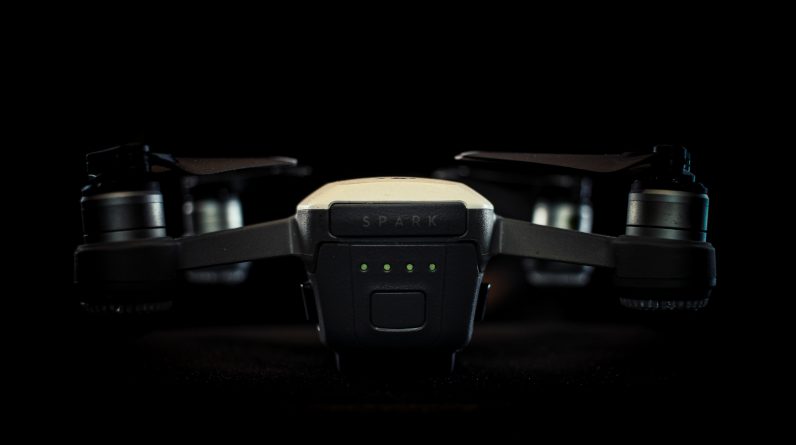
Imagine a world where drones soar through the skies, adorned with cutting-edge technology and astonishing capabilities. As the demand for drones grows, so does the race to create the most advanced and sophisticated drone ever built. So, what exactly is the world’s most sophisticated drone? From its state-of-the-art features to its exceptional performance, this article will take you on a captivating journey to unveil the answer to this thrilling question.
Table of Contents
Defining Drone Sophistication
Understanding sophistication in drones
When it comes to drones, the term “sophistication” refers to the level of technological advancement and complexity exhibited by these unmanned aerial vehicles (UAVs). Sophistication in drones can be observed through various factors, such as their design, capabilities, features, and the level of automation and artificial intelligence integrated into their systems. As technology continues to evolve, drones are becoming increasingly sophisticated, enabling them to perform a wide range of tasks with precision and efficiency.
Factors that denote sophistication in drones
Several factors contribute to the overall sophistication of a drone. Firstly, the design and build quality play a crucial role. Sophisticated drones are often crafted from lightweight and durable materials, allowing them to achieve optimal flight performance and withstand various environmental conditions. These drones also exhibit advanced aerodynamic designs, ensuring stability, maneuverability, and efficient usage of energy.
Secondly, the capabilities and functionalities of a drone determine its level of sophistication. Advanced navigation systems, including GPS and inertial sensors, enable drones to fly autonomously and maintain precise positioning. Additionally, sophisticated drones possess high-definition cameras and sensors that provide superior imaging capabilities, facilitating tasks such as surveying, inspection, and surveillance.
Moreover, the level of automation and artificial intelligence integrated into a drone is a key factor in determining its sophistication. Drones equipped with intelligent algorithms and machine learning capabilities can analyze data in real-time, make decisions, and adapt to changing environments. These features allow for more efficient and effective drone operations, reducing the need for constant human intervention.
Evolution of drone sophistication over the years
Over the years, drones have undergone significant advancements in terms of sophistication. In the early days, drones were primarily used for military purposes and lacked the advanced features seen in modern drones. However, with advancements in technology and increased demand for commercial applications, drones have evolved to become sophisticated tools across various industries.
The evolution of drone sophistication can be seen in the increasing complexity of their designs, improved flight capabilities, and the integration of advanced technologies. Modern drones are now equipped with cutting-edge features, such as obstacle avoidance systems, high-resolution cameras, thermal imaging capabilities, and extended flight times. These advancements have expanded the range of tasks that drones can perform, making them invaluable tools in fields such as agriculture, construction, cinematography, and disaster management.
The World’s Most Sophisticated Drones
Presenting top sophisticated drones
In the realm of sophisticated drones, several models stand out for their advanced features and capabilities. Let’s explore some of the world’s most sophisticated drones.
Features that make them stand out
The top sophisticated drones in the market possess a multitude of features that set them apart. These features include advanced flight control systems, longer flight durations, superior imaging capabilities, and intelligent automation. For example, some drones are equipped with obstacle detection and avoidance systems, enabling them to navigate complex environments with ease. Others offer extended flight times, allowing for longer and more comprehensive missions.
Moreover, many sophisticated drones incorporate high-resolution cameras and sensors, enabling them to capture detailed imagery and gather precise data. Some drones even offer specialized imaging capabilities, such as thermal imaging, hyperspectral imaging, and LiDAR scanning, opening up possibilities for various applications in industries like agriculture, environmental monitoring, and infrastructure inspection.
Usage and functionality of these drones
The world’s most sophisticated drones find applications in a wide range of fields. In the agricultural sector, drones are utilized for crop monitoring, disease detection, and precision spraying. In construction, drones are employed for surveying, mapping, and monitoring construction sites. Furthermore, drones play a crucial role in search and rescue operations, providing aerial surveillance and assisting in locating missing persons or assessing disaster-stricken areas.
In the realm of cinematography, sophisticated drones have revolutionized the film industry by offering stunning aerial shots that were once only possible with expensive helicopters or cranes. Additionally, these drones have become invaluable tools for wildlife conservation, environmental research, and infrastructure inspection, due to their ability to access remote or inaccessible areas.

The MQ-9 Reaper
Overview of the MQ-9 Reaper
The MQ-9 Reaper is a highly sophisticated unmanned aerial vehicle (UAV) developed primarily for military applications. Designed and manufactured by General Atomics Aeronautical Systems, the MQ-9 Reaper is widely recognized as one of the most advanced and capable drones in the world.
Technical specifications of the MQ-9 Reaper
The MQ-9 Reaper boasts an impressive set of technical specifications, contributing to its sophistication and versatility. With a wingspan of 66 feet, a length of 36 feet, and a height of 12 feet, this drone displays a substantial physical presence. The MQ-9 Reaper has a maximum takeoff weight of 10,500 pounds, including fuel, payloads, and other equipment.
The drone is powered by a Honeywell TPE331-10 turboprop engine, providing it with a maximum speed of 240 knots and a service ceiling of 50,000 feet. The MQ-9 Reaper is capable of carrying external payloads up to 3,750 pounds, allowing for various mission-specific equipment, including surveillance and reconnaissance instruments, weapons systems, and communication devices.
Applications and roles of the MQ-9 Reaper
The MQ-9 Reaper has proven itself as a critical asset in military operations, showcasing its sophistication and effectiveness in various roles. Its primary roles include intelligence, surveillance, and reconnaissance (ISR), as well as armed attack missions. Equipped with advanced surveillance sensors, including synthetic aperture radar (SAR) and infrared cameras, the MQ-9 Reaper provides real-time intelligence and situational awareness to military personnel.
This drone can also carry a range of weapons systems, including Hellfire missiles, GBU-12 Paveway II laser-guided bombs, and GBU-38 Joint Direct Attack Munitions (JDAM). These capabilities enable the MQ-9 Reaper to conduct precision strikes on high-value targets, offering essential support to ground forces. The sophistication of the MQ-9 Reaper, coupled with its long endurance capabilities of up to 27 hours, strengthens military strategies and increases operational efficiency.
The RQ-4 Global Hawk
Introduction to the RQ-4 Global Hawk
The RQ-4 Global Hawk is a state-of-the-art high-altitude, long-endurance unmanned aircraft system (UAS) developed by Northrop Grumman. This sophisticated drone is designed for long-duration intelligence, surveillance, and reconnaissance missions and has earned its reputation as one of the world’s most advanced aerial surveillance platforms.
Key features of the RQ-4 Global Hawk
The RQ-4 Global Hawk boasts several key features that contribute to its sophistication and effectiveness in surveillance missions. With a wingspan of 130.9 feet, a length of 47.6 feet, and a height of 15.4 feet, the drone possesses an impressive physical presence. The Global Hawk has a maximum takeoff weight of 32,250 pounds and is powered by a Rolls-Royce AE 2100-D3 turboprop engine, enabling it to achieve a maximum speed of approximately 357 knots.
The most notable feature of the RQ-4 Global Hawk is its long-endurance capabilities. This drone can remain airborne for up to 30 hours, allowing it to cover vast distances and conduct extended surveillance missions. Equipped with advanced sensors, including synthetic aperture radar (SAR), electro-optical and infrared (EO/IR) cameras, and signals intelligence (SIGINT) capabilities, the Global Hawk provides real-time intelligence and surveillance data with exceptional accuracy and detail.
Use cases of the RQ-4 Global Hawk
The RQ-4 Global Hawk plays a vital role in various sectors, including military intelligence, disaster response, and environmental monitoring. In military operations, the Global Hawk provides persistent surveillance, reconnaissance, and target acquisition capabilities. Its sophisticated imaging sensors and long-range capabilities allow it to monitor and gather critical information in real-time, aiding in mission planning and situational awareness.
During natural disasters, the Global Hawk can be deployed to assess damage, gather data on affected areas, and identify potential hazards, aiding in disaster response and relief efforts. Furthermore, this drone has proven effective in environmental monitoring, tracking weather systems, studying climate patterns, and aiding in scientific research. The RQ-4 Global Hawk’s capabilities and versatility make it an invaluable asset in various fields beyond military applications.

The X47-B Combat Drone
Description of the X47-B Combat Drone
The X47-B Combat Drone is a highly advanced autonomous unmanned combat air vehicle (UCAV) developed by Northrop Grumman. Notably, this drone stands out for its sophisticated autonomous capabilities and stealth design, making it a formidable asset in combat scenarios.
Unique elements of the X47-B Combat Drone
The X47-B Combat Drone possesses several unique elements that distinguish it from other drones in terms of sophistication. One of its standout features is its autonomous flight capability, which allows it to take off, conduct missions, and land without direct human control. The drone’s advanced computer systems, including artificial intelligence algorithms, enable it to navigate complex airspace, react to changing environments, and perform missions with minimal human intervention.
Another unique element of the X47-B Combat Drone is its low observable, or stealth, design. The drone’s shape, materials, and coatings reduce its radar signature, making it difficult to detect by enemy radar systems. This stealth capability enhances the X47-B’s survivability in combat scenarios, allowing it to penetrate hostile airspace and carry out missions effectively.
Deployment of the X47-B Combat Drone
The X47-B Combat Drone was primarily developed for use on aircraft carriers by the United States Navy. It was designed to support naval operations and provide enhanced combat capabilities. The autonomous nature of the X47-B allows it to operate from carriers, where it takes off and lands using advanced systems and precision guidance technologies.
The X47-B Combat Drone has undergone several successful test flights and participated in various naval exercises, demonstrating its potential as a sophisticated combat drone. While not yet deployed in active combat operations, its development and testing have served as a stepping stone towards the integration of autonomous and stealth technologies into future military operations.
The WingtraOne Mapping Drone
Defining the WingtraOne Mapping Drone
The WingtraOne Mapping Drone is a highly sophisticated UAV specifically designed for mapping and surveying applications. This drone is renowned for its capability to capture high-resolution aerial imagery and generate accurate 3D models and maps, making it a powerful tool for professionals in various industries.
The tech behind WingtraOne Mapping Drone
One of the key technologies that contribute to the sophistication of the WingtraOne Mapping Drone is its vertical takeoff and landing (VTOL) capability. Unlike traditional fixed-wing drones, which require runways for takeoff and landing, the WingtraOne can ascend vertically like a helicopter and transition to horizontal flight once airborne. This capability allows for more flexible deployment and access to challenging terrain.
The WingtraOne is equipped with a high-resolution camera capable of capturing imagery with exceptional detail. This camera, combined with the drone’s advanced sensor fusion technology, delivers precise and georeferenced datasets. Additionally, the drone’s payload flexibility enables the use of different sensors, such as thermal cameras and LiDAR systems, expanding its applications in fields like agriculture, land management, infrastructure inspection, and environmental research.
Effective use of the WingtraOne Mapping Drone
The WingtraOne Mapping Drone finds extensive use in industries that require accurate mapping, surveying, and monitoring capabilities. In agriculture, the drone aids in crop analysis, monitoring irrigation patterns, and identifying areas of pests or diseases. For land management and urban planning, the WingtraOne provides high-resolution imagery and 3D models, aiding in site selection, terrain analysis, and infrastructure development.
Furthermore, the WingtraOne is employed in environmental research, allowing scientists to monitor ecosystems, track wildlife populations, and assess habitat conditions. The drone’s mapping capabilities are also utilized in infrastructure inspection, providing detailed aerial imagery for assessing the condition of bridges, power lines, and other critical infrastructure.

AI in Drones
Role of artificial intelligence in drone sophistication
Artificial intelligence (AI) plays a pivotal role in enhancing the sophistication of drones. By integrating AI algorithms and machine learning models into drone systems, UAVs can analyze vast amounts of data in real-time, make intelligent decisions, and adapt to changing environments. AI empowers drones to perform complex tasks more efficiently and with increased autonomy, reducing the need for constant human intervention.
Influence of AI on drone functionality
AI enhances drone functionality in various ways. With AI-powered computer vision, drones can identify and track objects, detect anomalies, and classify targets with high accuracy. This capability is especially valuable in surveillance, search and rescue operations, and monitoring applications.
Moreover, AI algorithms enable drones to optimize flight paths, avoid obstacles, and navigate complex environments autonomously. By utilizing machine learning, drones can learn from past experiences and continuously improve their performance, enhancing the overall safety and efficiency of their operations.
Examples of AI-integrated drones
Several examples demonstrate the impact of AI on drone sophistication. The DJI Phantom 4 Pro, for instance, incorporates computer vision and machine learning algorithms to enable obstacle avoidance and automated flight modes. This technology allows the drone to detect and navigate around obstacles in real-time, providing a safer and more reliable flying experience.
Another example is the Skydio 2, a consumer drone that utilizes AI for advanced tracking capabilities. Equipped with a powerful AI onboard computer, the Skydio 2 can track and follow subjects autonomously, employing computer vision algorithms for precise tracking and obstacle avoidance.
In the military sphere, the Skyborg program by the United States Air Force seeks to develop AI-controlled autonomous combat drones. These AI-integrated drones could operate alongside manned aircraft, executing missions with enhanced situational awareness and decision-making capabilities.
The Future of Drone Sophistication
Predictions for the future of most sophisticated drones
The future of drone sophistication holds tremendous potential for further advancements. As technological progress continues, we can expect to see drones with increased automation, improved flight capabilities, enhanced imaging systems, and extended battery life. These advancements will make drones more versatile and efficient in carrying out a wide range of tasks across various industries.
Technological advancements expected
Several technological advancements are expected to shape the future of sophisticated drones. The integration of 5G connectivity will enable faster and more reliable data transmission, enabling real-time high-resolution video streaming and advanced remote control capabilities. This will facilitate more complex operations and open up possibilities for remote piloting and control of drones from anywhere in the world.
Additionally, advancements in battery technology will result in longer flight durations, allowing drones to perform missions that require extended endurance. This, coupled with improvements in energy efficiency and charging capabilities, will reduce operational downtime and increase productivity.
Moreover, miniaturization of sensors and processors will lead to smaller and lighter drones without sacrificing performance. This will enhance maneuverability, making drones more agile and capable of accessing tight or confined spaces.
Impact on industrial and commercial use of drones
As drones become increasingly sophisticated, their impact on industrial and commercial sectors will continue to grow. In agriculture, drones will play a vital role in precision farming, enabling farmers to monitor crop health, optimize irrigation, and identify areas requiring treatment. This will enhance productivity, reduce resource wastage, and contribute to sustainable farming practices.
In the realm of infrastructure inspection, sophisticated drones equipped with advanced imaging systems will streamline the process of assessing bridges, pipelines, and power lines. This will lead to more effective maintenance and early detection of potential issues, ensuring the safety and longevity of critical infrastructure.
Furthermore, the film and entertainment industry will continue to embrace drones for aerial cinematography, capturing breathtaking scenes from unique perspectives previously inaccessible. The sophistication of these drones will enable filmmakers to push creative boundaries and deliver stunning visuals that captivate audiences.
Regulatory Environment for Sophisticated Drones
Existing regulations on drone usage
As drones become increasingly sophisticated and prevalent, regulatory frameworks are crucial to ensure responsible and safe drone operations. Many countries have implemented regulations that govern the usage of drones. These regulations typically cover aspects such as flight altitude limits, registration requirements, no-fly zones, and privacy considerations.
For example, the Federal Aviation Administration (FAA) in the United States has established rules for the operation of drones, categorizing them based on weight and intended usage. Similarly, the European Union has implemented the European Union Aviation Safety Agency (EASA) regulations, aiming to harmonize drone operations across EU member states.
Implications of regulations on production and deployment of drones
Regulations can have both positive and negative implications on the production and deployment of sophisticated drones. On one hand, regulations ensure safety and address concerns related to privacy and security. They provide a framework for manufacturers to follow, ensuring compliance with safety standards and quality control measures.
However, stringent regulations can also pose challenges for drone manufacturers, potentially hampering innovation and slowing down the introduction of new technologies. The complex and varying regulatory landscape across different jurisdictions may lead to delays in bringing advanced drones to market, limiting their potential benefits.
Forthcoming regulations and their potential impact
As drones continue to evolve, it is expected that regulatory authorities will adapt and introduce new regulations to address emerging challenges and advancements. Future regulations may focus on areas such as remote identification, beyond visual line of sight (BVLOS) operations, and certification of autonomous systems.
These forthcoming regulations can impact the industry by encouraging the responsible use of drones, promoting safety, and enabling the integration of sophisticated drones into existing airspace systems. However, striking a balance between regulation and innovation will be crucial to ensure that the development and deployment of sophisticated drones are not unnecessarily hindered.
Possible Challenges and Solutions
Discussing possible challenges in developing sophisticated drones
The development of sophisticated drones is not without its challenges. Some of the key challenges faced by manufacturers and researchers include technological limitations, regulatory constraints, and public perception and acceptance.
Technological limitations arise as drones become more advanced. Ensuring the reliability and safety of complex systems, overcoming energy constraints for longer flight durations, and improving autonomous capabilities are ongoing areas of research and development.
Regulatory constraints can pose challenges as authorities strive to strike a balance between safety and innovation. Adapting existing regulations to accommodate the unique features and capabilities of sophisticated drones requires ongoing dialogue and collaboration between manufacturers and regulatory bodies.
Public perception and acceptance of drones also present challenges. Privacy concerns, potential misuse, and perceived intrusion into personal spaces can lead to resistance and skepticism. Educating the public about the benefits and responsible use of drones and implementing transparent privacy policies can help address these concerns.
Solution approaches for these challenges
To address the challenges faced in developing sophisticated drones, collaboration between stakeholders is essential. Manufacturers, regulatory bodies, and industry experts need to work together to identify and overcome technological limitations. This can be achieved through continued investment in research and development, fostering interdisciplinary collaborations, and sharing best practices and knowledge.
Regulatory constraints can be addressed through proactive engagement with regulatory bodies and policymakers. Manufacturers can participate in regulatory consultations and provide input on the development of drone regulations, ensuring that they strike the right balance between safety, innovation, and commercial viability. Clear communication channels and collaboration among all stakeholders will lead to more effective and efficient regulatory frameworks.
To overcome public perception challenges, it is crucial to engage with the public and educate them about the benefits and responsible use of drones. Transparent communication about privacy policies, data protection measures, and adherence to ethical guidelines can help build trust and acceptance. Public demonstrations, partnerships with local communities, and showcasing the positive impacts of drones in various industries can also contribute to changing public perception.
User experiences and resolution
User experiences play a vital role in the resolution of challenges faced by drone operators. Feedback from drone pilots, professionals, and end-users is essential in identifying areas of improvement and addressing issues that arise during drone operations. Manufacturers and developers can leverage user feedback to refine their products and develop solutions that address specific pain points.
Additionally, fostering communities and forums for sharing experiences can create a platform for learning and problem-solving. Peer-to-peer knowledge exchange enables drone operators to learn from each other’s experiences, troubleshoot challenges, and collectively work towards improving the overall performance and capabilities of sophisticated drones.
In conclusion, the world of sophisticated drones is continuously evolving, driven by advancements in technology and increasing demand for their applications. Understanding the factors that define sophistication in drones, exploring the top sophisticated drones in the market, recognizing the role of artificial intelligence, and envisioning the future possibilities and challenges are all essential elements in comprehending the ever-growing importance of sophisticated drones in various fields. With the right balance of innovation, regulation, and collaboration, the future of drone sophistication holds immense potential for shaping the technological landscape and revolutionizing industries across the globe.